
Under Armour's Controversial AI Commercial Stirs Debate in Asia
Content: Under Armour's AI-powered commercial featuring Anthony Joshua sparks controversy over creative accreditation.,Netizens and creators are divided over the use of AI in commercial production.,Under Armour's brand sentiment dips following the debate, highlighting the importance of proper credit and ethical AI usage.
Introduction:
Artificial intelligence (AI) and artificial general intelligence (AGI) are transforming various industries, including marketing and advertising. However, the recent AI-powered commercial by sportswear giant Under Armour featuring British boxer Anthony Joshua has sparked a debate on creative accreditation and the ethical use of AI in Asia. For a deeper dive into the broader impact of AI, consider reading about the invisible impact of AI in 2025.
The Controversial AI Commercial:
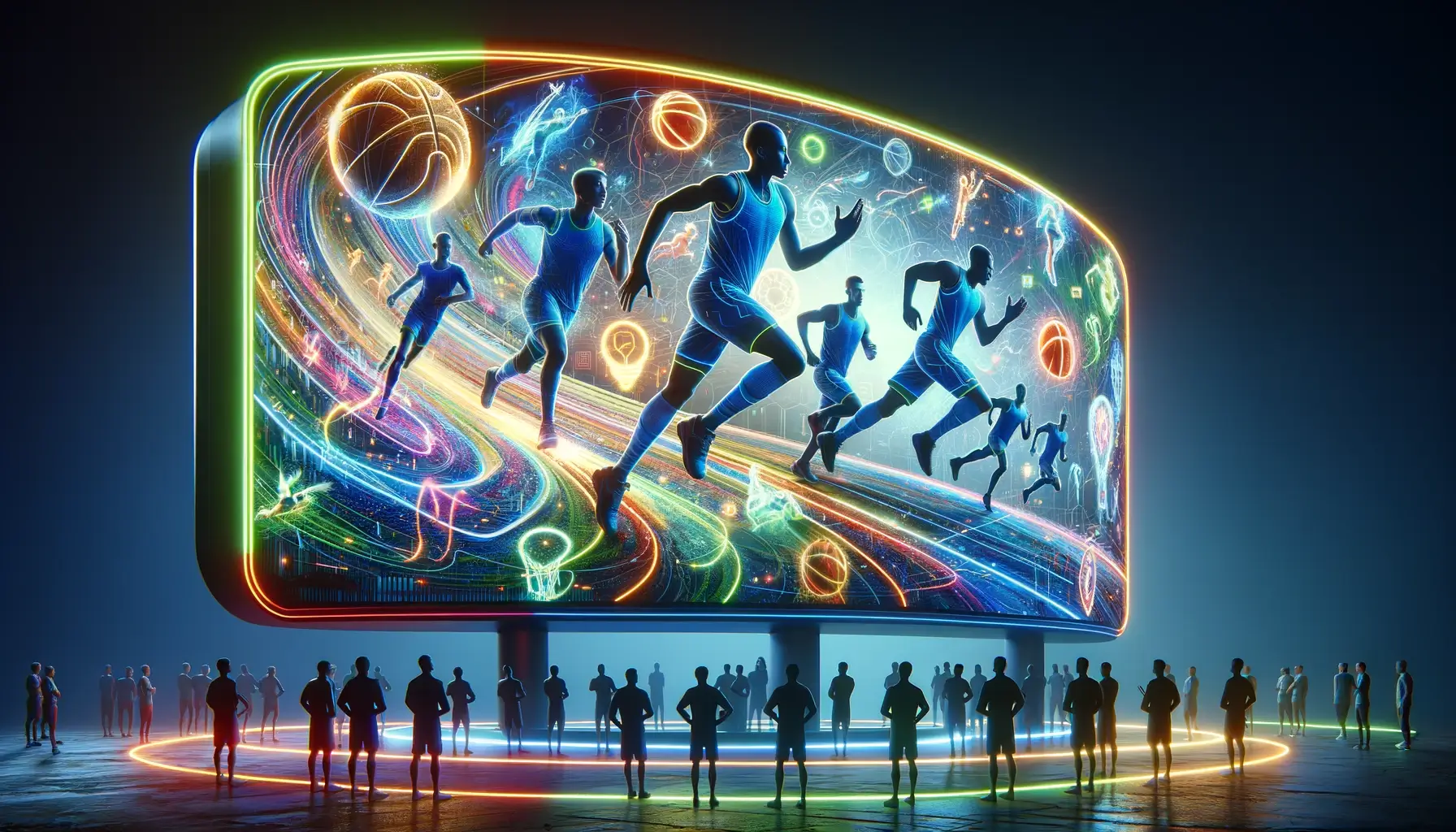
Under Armour's monochrome commercial takes viewers on a journey through Joshua's mind, featuring desert landscapes of Saudi Arabia inspired by the poem "Ozymandias." Director Wes Walker claimed that the commercial was built "from nothing but existing assets, a 3D model of Anthony Joshua and no athlete access," using a combination of AI video, AI photo, 3D CGI, 2D VFX, motion graphics, and other techniques.
Watch the AI-generated Commercial
Plagiarism Allegations:
Swedish director Gustav Johansson accused Walker of plagiarising his 2022 production for Under Armour and Joshua. Johansson states the AI commercial used footage shot by André Chementof from his original production. Walker responded by saying that the commercial was a predominantly AI mixed piece that used several live-action cutaways shot by Johansson's team and others.
Watch the Original Commercial
Divided Opinions:
The commercial has divided netizens and creators. Some have praised the ad for its innovative use of AI, while others have criticised it for robbing the talent of actual videographers and editors. Some have even called for boycotts of the brand and switched to Under Armour's competitor, Nike. The debate has raised questions about the integrity of AI-generated work and the need for better AI regulations. This discussion echoes broader concerns about AI's cognitive colonialism.
Impact on Brand Sentiment:
As a result of the controversy, Under Armour's brand sentiment has taken a hit, with negative sentiments rising to 7.3% and positive sentiments dropping to 16.1%. Before the commercial's release, conversations on social media were 31.7% positive and only 1% negative. The incident has also affected the keywords associated with Under Armour, which previously included "leading," "competitive," and "style."
AI in Marketing:
Under Armour's controversy is not the first time a brand has faced backlash for using AI in marketing. Malaysia Airlines recently drew mixed reactions for its AI-generated Chinese New Year post, which raised questions about authenticity and ethics in marketing. The incident highlights the importance of proper credit and ethical AI usage in marketing campaigns. This is particularly relevant as Meta's AI chat could be a game-changer for ad targeting. For more insights into how AI is reshaping marketing, explore how post-click is the new battleground in e-commerce.
Conclusion: Ethical Considerations of AI-Generated Marketing Campaigns:
The debate over Under Armour's AI-powered commercial raises important questions about creative accreditation and the ethical use of AI in marketing. As AI and AGI continue to transform the industry, it is crucial for brands to prioritise transparency, proper credit, and ethical considerations in their use of AI. The European Union has taken significant steps in this area with its AI Act, a comprehensive legal framework for AI^ European AI Act.
Comment and Share:
What are your thoughts on the use of AI in marketing campaigns? Should there be stricter regulations in place to ensure proper credit and ethical usage? Let us know your thoughts in the comments below.



Latest Comments (3)
This "no athlete access" claim is funny to me. My lab, we use deepfake for celebrity often. It is not so hard now. But director say "from nothing but existing assets" and also use "live-action cutaways"? This two things, they are not same. Needs more clear explanation.
The plagiarism allegations here really highlight how "existing assets" can become a legal and ethical quagmire, especially when AI makes it so easy to recontextualize material without clear attribution paths.
The discussion around the Under Armour ad, especially regarding the use of existing footage and the dispute between Walker and Johansson, really highlights the grey areas our current IP frameworks in ASEAN are facing. We're actively looking at how to adapt Malaysia's copyright laws to address AI-generated content and the use of previously produced assets. It's not just about who "owns" the AI output, but also how we ensure fair recognition for the original creative input that often feeds these models. This specific case provides a very concrete example for our policy discussions.
Leave a Comment