Asia-Pacific Drives Global AI PC Revolution as Hardware Costs Plummet
AI-powered personal computers are reshaping the tech landscape across Asia, with the region poised to capture nearly half of global revenue by 2030. These intelligent machines, equipped with neural processing units (NPUs), bring artificial intelligence capabilities directly to users' desktops without relying on cloud connectivity.
The transformation represents the most significant shift in personal computing in decades. From enhanced voice assistants to automated email scheduling, AI PCs promise to streamline daily workflows whilst keeping sensitive data local.
Understanding AI PCs: More Than Just Faster Hardware
An AI PC integrates a dedicated neural processing unit alongside traditional components like CPUs and GPUs. This specialised chip accelerates machine learning tasks, enabling features like real-time language translation, intelligent photo editing, and advanced voice recognition without internet connectivity.
Microsoft has established the Copilot+ standard, requiring devices to feature NPUs capable of at least 40 TOPS (trillion operations per second), 16GB RAM, and 256GB storage. Qualcomm's Snapdragon X Elite chips power many first-generation Copilot+ devices, setting the benchmark for local AI processing.
Unlike cloud-based AI tools that send data over the internet, AI PCs process everything locally. This approach offers enhanced privacy, reduced latency, and consistent performance regardless of network conditions. For businesses handling sensitive information, AI integration presents both opportunities and challenges.
By The Numbers
- Global AI PC market reached $44.64 billion in 2026, growing 22.1% from $36.55 billion in 2025
- Asia-Pacific expected to represent 45% of global AI PC revenue by 2030
- European AI-capable notebook prices dropped 33% year-on-year to €822 in Q4 2025
- Consumer market share projected to reach 38% by 2030, following enterprise adoption through 2027
- Market revenues forecast to hit $98.35 billion by 2030 at 21.8% compound annual growth rate
NPU Technology: The Engine Behind AI PC Capabilities
Neural processing units excel at parallel processing and matrix multiplications, the mathematical foundations of modern AI algorithms. While GPUs can handle some AI tasks, NPUs are optimised specifically for running pre-trained models like GPT-4 or Gemini with superior energy efficiency.
"This is the most significant shift in the personal-computing landscape in decades. Enterprises are catalyzing the first wave of adoption through 2027, but the true transformation will come later in the decade as affordable AI-capable devices reach every user segment worldwide," said Olivier Blanchard, Research Director at Futurum Group.
These processors integrate seamlessly with AI frameworks including TensorFlow and PyTorch, simplifying development and deployment. For creative professionals already revolutionising their designs with AI-powered tools, NPUs enable faster rendering and more sophisticated editing capabilities.
The efficiency gains extend beyond raw performance. NPUs consume significantly less power than GPUs when running AI workloads, extending battery life whilst maintaining responsive performance.
Practical Applications Transforming Daily Workflows
AI PCs enhance productivity across numerous use cases:
- Intelligent voice assistants with deeper system integration for controlling settings and searching files
- Automated email scheduling and calendar management without third-party services
- On-device writing assistants offering grammar correction and content suggestions
- Advanced video and photo editing with AI-powered enhancement tools
- Real-time language translation for international communications
- Personalised content generation based on local data and preferences
- Smart task automation adapting to user behaviour patterns
These capabilities operate entirely offline, ensuring data privacy whilst delivering consistent performance. For professionals managing spreadsheet automation, AI PCs can process complex calculations and generate insights without cloud dependency.
| Feature | Cloud AI | AI PC |
|---|---|---|
| Data Privacy | Sent to external servers | Processed locally |
| Internet Dependency | Required | Not required |
| Latency | Variable (network dependent) | Consistent low latency |
| Subscription Costs | Often required | One-time hardware cost |
| Processing Power | Unlimited (cloud resources) | Limited by NPU capacity |
Asia-Pacific Leads Market Transformation
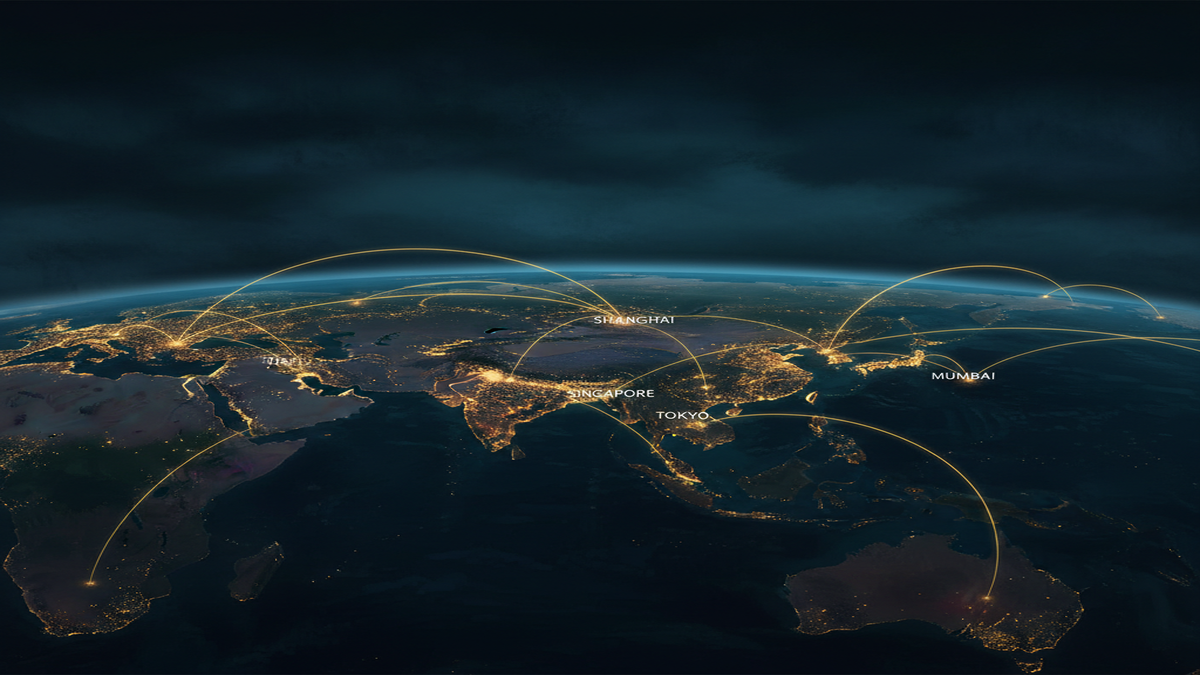
Asia-Pacific emerges as the dominant force in AI PC adoption, driven by strong manufacturing capacity and growing regional demand. However, supply chain challenges including processor tariffs affect retail pricing across manufacturing hubs.
"Consumers are paying for future-proofing and devices that will last through the next operating system cycle. The combination of Windows 11 readiness, improved privacy, and offline processing capabilities is strengthening the case to upgrade aging hardware," explained James Bates, Senior Retail Analyst at CONTEXT.
Despite cost pressures, tariffs encourage local assembly and diversified sourcing strategies, supporting long-term supply chain resilience. This regional manufacturing growth aligns with broader trends where AI transforms traditional industries across Asia.
Enterprise adoption leads the initial wave through 2027, with consumer adoption accelerating as prices decrease and use cases mature. The shift mirrors broader patterns in Asia's AI workplace transformation.
Should You Upgrade to an AI PC?
Do I need an AI PC if I already use cloud-based AI tools?
AI PCs offer enhanced privacy, offline functionality, and consistent performance without subscription fees. If you handle sensitive data or work in areas with unreliable internet, local processing provides significant advantages over cloud alternatives.
What's the minimum NPU performance I should consider?
Microsoft's Copilot+ standard requires 40 TOPS minimum, which handles most current AI tasks effectively. Higher TOPS ratings future-proof your investment as AI applications become more demanding over the next few years.
Are AI PCs worth the premium over traditional computers?
Prices have dropped 33% year-on-year in Europe, making AI PCs increasingly accessible. The future-proofing benefits, Windows 11 readiness, and evolving AI capabilities justify the investment for users planning long-term device usage.
How do AI PCs compare to using AI through smartphones or tablets?
AI PCs offer superior processing power, larger screens for complex tasks, and deeper integration with productivity software. Mobile devices complement rather than replace AI PC capabilities for serious creative or business applications.
Will AI PCs replace traditional computers entirely?
AI PCs represent an evolution rather than replacement, adding AI capabilities to familiar computing experiences. Traditional computers will remain viable for basic tasks, but AI features are becoming standard expectations rather than premium options.
The AI PC revolution is accelerating across Asia-Pacific, offering unprecedented local processing power and privacy protection. Whether you prioritise enhanced productivity, data security, or future-proofing your technology investments, these intelligent machines are reshaping what's possible with personal computing.
Are you ready to embrace local AI processing, or do current cloud-based tools meet your needs? Drop your take in the comments below.