

Southeast Asia's Smart Tourism Wave Is Quietly Rewriting How You Travel
Six ASEAN countries now deploy AI somewhere in the traveller journey, from visa applications to hotel check-in to last-mile food delivery. It is happening fast, it is largely invisible, and the combined effect is that a Thai holiday in 2026 feels materially different from the same trip in 2023. The drivers are not glamorous: cost recovery for pandemic-era tourism boards, labour shortages in hospitality, and a regional pitch to Chinese and Indian travellers who are now over 40% of ASEAN inbound traffic.
What The AI Actually Does
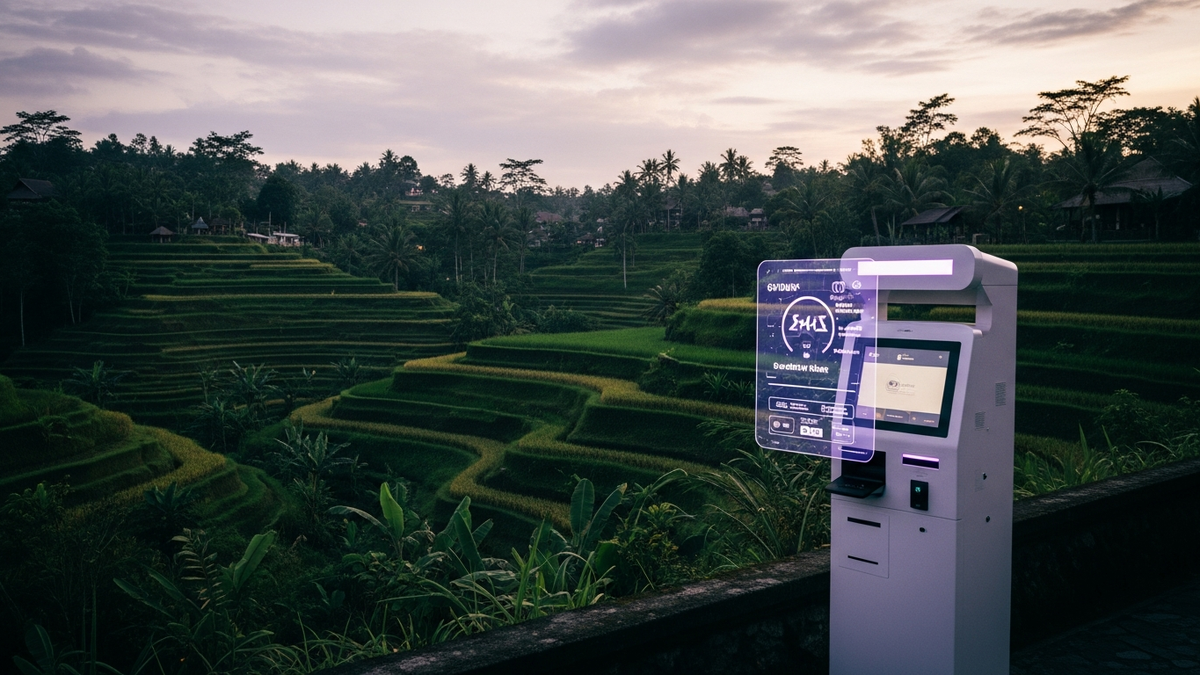
Start at the front door. Thailand's e-Visa platform rolled out AI-assisted document review in late 2025, cutting average processing time from 72 hours to 26. Indonesia's Bali Provincial Tourism Board now runs an AI chatbot in Japanese, Mandarin, and English that handles over 30% of pre-arrival questions. Singapore's Changi uses AI-driven✦ baggage routing and biometric identity checks that reduce gate-to-curb time by 18%.
Once you land, ride-hailing meets AI dispatch. Grab and Gojek both run regional routing models that learned from Jakarta's traffic to optimise rides in Manila and Hanoi. Hotel chains including Banyan Tree and Dusit have rolled out AI concierges in their flagship properties, handling multilingual restaurant bookings, spa scheduling, and itinerary recommendations.
Why Now, And Why Together
Three forces converged. First, the ASEAN Single Tourism Visa effort accelerated after 2024, and the technical integrations needed a common identity and scheduling layer. Second, Chinese outbound tourism rebounded unevenly, pushing ASEAN boards to compete on experience quality rather than cost. Third, local labour markets have not recovered to pre-pandemic levels in hospitality, forcing operators to automate front-of-house workflows.
We did not choose AI as a strategy. The labour math forced it. We cannot open a rooftop bar on Koh Samui with the staff we had in 2019, and we cannot raise prices enough to solve that problem. AI became the third lever.
By The Numbers
- Chinese and Indian travellers now account for more than 40% of ASEAN inbound arrivals.
- Thailand's AI-assisted e-Visa cut processing time from 72 hours to 26, a 64% reduction.
- AI concierge adoption among ASEAN five-star hotels rose from 12% in 2023 to 47% in early 2026.
- Grab and Gojek each serve more than 200 million monthly users regionally.
- Changi's biometric-enabled gates have processed more than 35 million passengers with no major reported incident.
The Regional Leaderboard
| Country | Leading Use Case | Traveller Impact |
|---|---|---|
| Singapore | Airport biometrics, Changi AI | Faster transit, smoother transfers |
| Thailand | E-Visa automation | Shorter wait times |
| Indonesia | Bali multilingual chatbots | Pre-arrival clarity |
| Malaysia | Smart city mobility (KL, Penang) | Better public transit |
| Vietnam | Hotel AI, Ha Long Bay ferries | Faster check-in, route optimisation |
| Philippines | Airline dynamic pricing | More flexible fares |
The ASEAN tourism stack is starting to look like a service mesh. Different countries are contributing different AI modules, and travellers get the benefit whether they realise it or not.
What Travellers Should Know
- Your visa application is likely being pre-screened by an AI classifier. Clean documentation speeds the process.
- Airport biometrics are opt-in in most jurisdictions. Privacy-sensitive travellers can still use traditional lanes.
- AI concierges at hotels handle everything in the local language plus Mandarin, English, and in most cases Japanese.
- Dynamic pricing applies to ride-hailing and some airline bookings. Off-peak windows can save 20 to 30%.
- Food delivery apps surface smaller local kitchens better than TripAdvisor, and the recommendations are trustworthy.
- Translation kiosks are now common in Indonesia's airports and Hanoi's train stations.
Where It Still Breaks
The most common complaint is latency. AI chatbots trained on curated datasets struggle with off-menu requests. Regional cuisines with limited online documentation, particularly in Eastern Indonesia and northern Vietnam, remain gaps. Accessibility features for travellers with disabilities lag behind Japanese and Korean peers. And cross-border data sharing for a true ASEAN tourism identity remains aspirational, held up by sovereign data rules described in detail in Vietnam's AI Law rollout.
Frequently Asked Questions
Does this make travel more private or less private?
Less, on net. Biometric checks, AI-assisted visa reviews, and location-based recommendations all generate more personal data than traditional processes. Opt-out options exist but are not always clearly signposted.
Are Singapore's Changi AI systems the best in the region?
Changi leads on airport operations but is not the best at every tourism touchpoint. Hotels in Thailand and Bali often deliver warmer AI-assisted experiences. Different strengths.
How does this affect small operators?
Positively in some cases, negatively in others. AI booking platforms surface small operators more effectively but also squeeze margins through dynamic pricing. Net impact depends on category and country.
Do regional AI models speak local languages well?
Increasingly yes. Bahasa Indonesia, Thai, and Vietnamese fine-tunes have improved dramatically, driven partly by Indonesia's Sahabat AI curriculum work and national AI investments. Minority languages remain uneven.
What is the biggest near-term improvement coming?
Cross-border ride-hailing with regional identity. Grab and Gojek are both piloting this, and it would let a single sign-in work across six ASEAN countries seamlessly.
Which ASEAN country's smart tourism experience impressed you most on your last trip, and what still felt clunky? Drop your take in the comments below.






No comments yet. Be the first to share your thoughts!
Leave a Comment