
TL;DR:
Digital Twins, advanced AI models, are transforming customer experience (CX) by automating mundane tasks and addressing frequent customer issues.,Sprinklr, a social media management company, has launched Digital Twins to improve brands' CX, with the technology expected to become the 'front of your brand'.,Microsoft's Work Trend Index reveals the rise of power AI users who leverage AI to improve productivity and creativity.
The Calm Before the AI Storm: Introducing Digital Twins
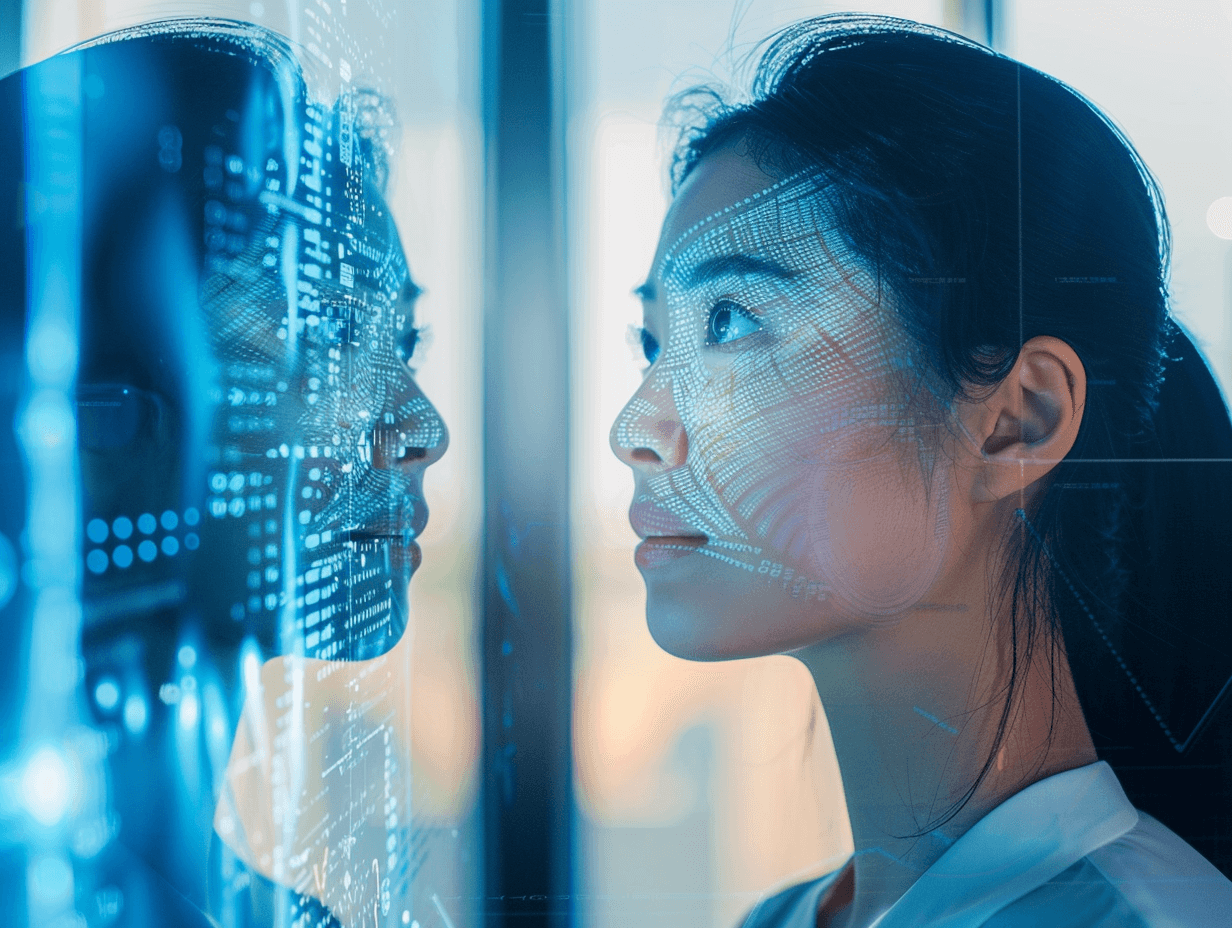
As we eagerly await major AI announcements from tech giants like OpenAI, Google, and Microsoft, let's delve into a growing trend in the AI world: Digital Twins in Asia. These AI models are not your ordinary chatbots; they are digital replicas of real-world systems, processes, or products.
Digital Twins: The Game Changer in Customer Experience
Sprinklr, a social media management company, has launched Digital Twins to revolutionise customer experience. Ragy Thomas, Sprinklr's CEO, explains that these Digital Twins are more autonomous and intelligent than traditional chatbots, capable of handling multiple tasks across various channels.
The Magic of Digital Twins
Thomas emphasises that Digital Twins are not designed to replace human agents but to tackle mundane tasks and address common customer issues. He envisions Digital Twins becoming the 'front of your brand', meaning they could be the first point of contact for customers. This shift is similar to how agentic AI is transforming other sectors, such as in Workday and the Rise of Agentic Human Resources.
AI in the Workplace: The Rise of Power Users
According to Microsoft's fourth annual Work Trend Index, power AI users are leveraging AI several times a week to improve productivity, creativity, and focus. This trend is expected to continue as AI becomes more integrated into our daily lives. The impact of AI on work is a frequent topic, with discussions ranging from whether AI agents will steal your job to what your "non-machine premium" is.
Digital Twins: What's Next?
As AI continues to evolve, Digital Twins are set to play a significant role in transforming customer experience in Asia. With their ability to automate tasks and provide personalised customer service, Digital Twins could be the key to unlocking the next level of CX. This aligns with broader trends discussed in APAC AI in 2026: 4 Trends You Need To Know.
Comment and Share
What do you think about the rise of Digital Twins in customer experience? Have you interacted with one yet? Share your thoughts and experiences below. Don't forget to Subscribe to our newsletter for updates on AI and AGI developments.
YOUR TAKE
We cover the story. You tell us what it means on the ground.
What did you think?
Share your thoughts
Be the first to share your perspective on this story
This is a developing story
We're tracking this across Asia-Pacific and may update with new developments, follow-ups and regional context.