
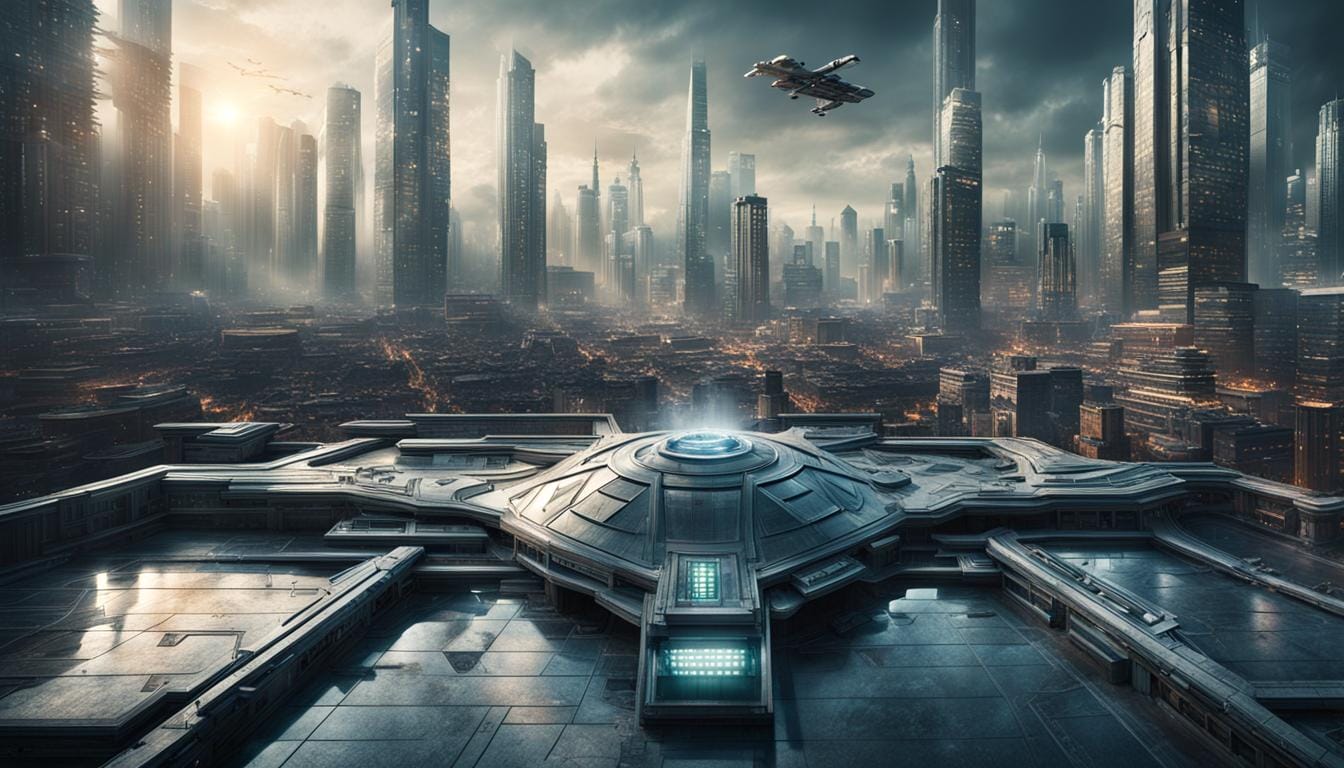
AI tools like Sora, Pika, and Runway enable feature-length films to be created at a fraction of traditional costs,AI is revolutionising the entertainment industry in Asia and Hollywood alike, challenging established studios.,The future of filmmaking could see a single person creating an entire film or TV series using AI.
The Impact of AI on the Entertainment Industry
Artificial Intelligence (AI) is set to revolutionise the entertainment industry, particularly in Asia. New platforms and tools are emerging that can create feature-length films from the comfort of one's living room. But can these AI-generated films truly compete with traditional studios?
The Rising Costs of Traditional Filmmaking
One of the main reasons the entertainment industry is so challenging is the exorbitant costs associated with filmmaking. With TV show budgets ranging between $6 million and $25 million an episode, and mainstream movies costing between $100 million and $250 million to make, the financial barriers to entry are high. However, AI and AGI are about to change the game.
AI Tools Transforming Filmmaking
OpenAI's recent announcement of Sora, a text-to-video tool, has sent shockwaves through the industry. Alongside platforms like Pika, Runway, and VideoPoet, these AI tools can create stunning visual effects and short clips in any style, drastically reducing production costs. Even renowned media mogul Tyler Perry has acknowledged the impact of AI, halting an $800 million expansion of his Atlanta film and TV studios.
The Future of Filmmaking
As AI continues to advance, the future of filmmaking in Asia could see a single person creating an entire film or TV series. While this may be a concern for those working in the industry, others see it as an opportunity to democratise creativity and open up filmmaking to a wider population.
The AI Debate
The rise of AI in the entertainment industry has sparked debate and existential crisis within Hollywood. Unions have already demanded that AI not replace writers and actors, but as AI technology advances, the battle to protect jobs becomes increasingly challenging.
As AI continues to advance, how will the entertainment industry adapt to the potential job displacement and the democratisation of creativity? Let us know in the comments below!







Latest Comments (4)
i'm excited about the possibilities sora and runway open up, especially for creators here in japan. imagine what a small indie team could do! but the article mentions "feature-length films." i'm still not convinced these tools are ready for that. i've been playing with some open source Japanese LLM models for scriptwriting, and while they can generate dialogue, the coherence for a full story arc, with character development and consistent pacing... that's a huge leap from short clips. it's one thing to make a visually stunning minute, another to craft a two-hour narrative that holds an audience. maybe i'm missing something, but the narrative side feels like the bigger challenge for solo creators, even with advanced AI visuals.
The idea of one person creating an entire feature film with AI is interesting, but from a practical standpoint, the issues aren't just about rendering. We see it with synthetic data for our models; the sheer effort involved in generating truly coherent, long-form narratives and maintaining continuity would still be immense, even if the "filming" part was automated. Production-ready quality for something like that is still a long way off.
sora is wild, i've been playing with some of the japanese text-to-video models too, nothing close to sora's quality yet but it's getting there. the idea of one person making a whole film is still crazy to me but the cost savings are undeniable.
Tyler Perry halting his studio expansion over Sora is a huge red flag. It's not about democratizing creativity, it's about eliminating jobs. A single person making a film really means one person gets rich and a hundred crew members are out of work. We need to ask who truly benefits from this "revolution.
Leave a Comment