

Google Maps Receives Its Biggest AI Navigation Overhaul
Google Maps has long dominated the navigation space, but the tech giant is now preparing its most ambitious upgrade yet. The company announced Immersive Navigation alongside the public launch of Ask Maps, marking what Google describes as the "biggest transformation of the navigation experience" in Maps history.
This update represents a fundamental shift from flat, schematic overlays to AI-powered 3D rendering and conversational search. For the billion-plus users who rely on Maps monthly, these changes could redefine expectations about what navigation software can deliver.
How Immersive Navigation Actually Works
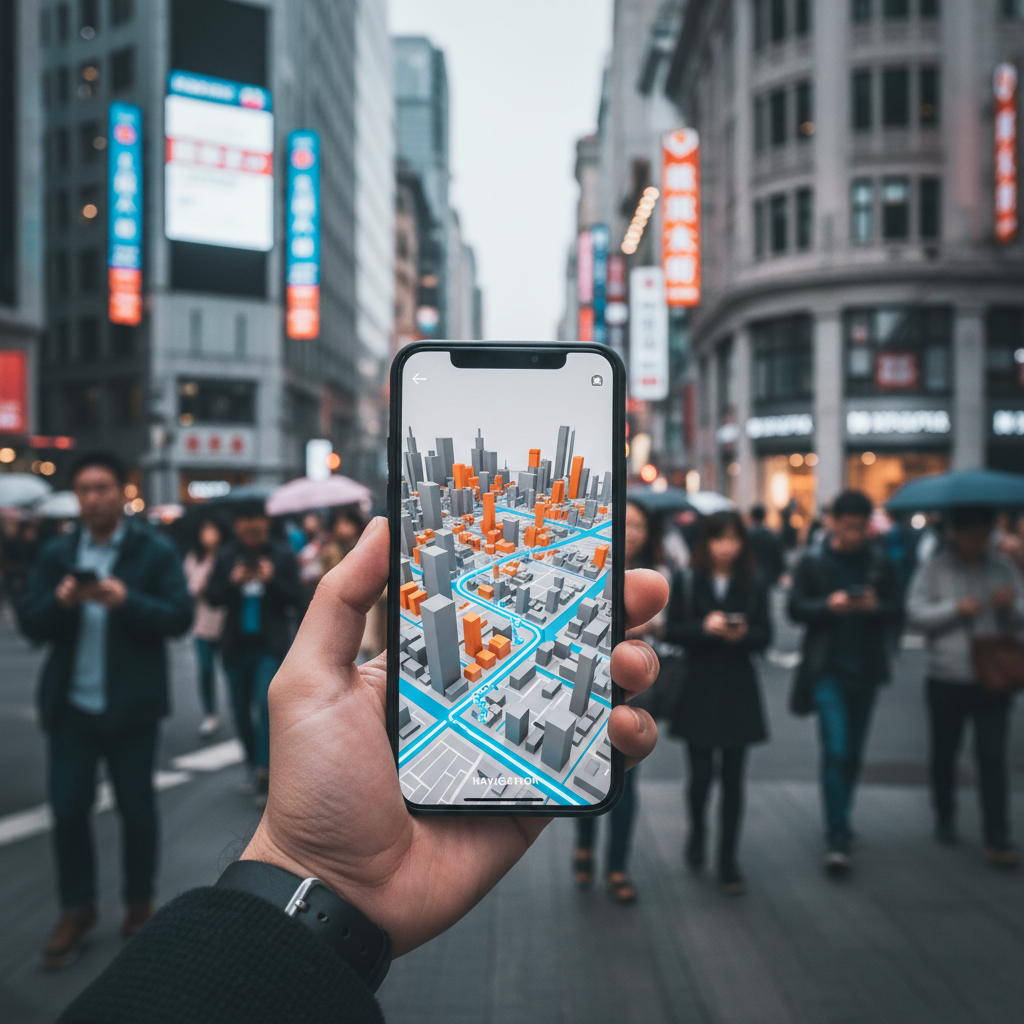
Immersive Navigation goes far beyond cosmetic changes. The feature introduces full 3D rendering of buildings and terrain along your route, processed in real-time as you drive. This represents a significant leap from the flat, icon-based interfaces that have defined GPS navigation for over two decades.
The technology relies on Google's Gemini models to process vast amounts of existing Maps data, including decades of aerial photography and Street View imagery. Rather than simply storing this information, the AI now uses it to provide contextual guidance as users move through their environment.
"Immersive Navigation represents the biggest transformation of the navigation experience in Maps history." - Google Maps Product Team
Beyond visual improvements, the update enhances routing intelligence. Users can now see more of their route at once whilst receiving natural-language voice guidance instead of robotic instructions. When alternative routes appear, Maps will explain specific trade-offs between options rather than simply labelling one as "faster."
As users approach destinations, the app provides improved arrival zone views, including nearby parking options. For anyone navigating unfamiliar city centres, this last-mile context could eliminate frustrating searches for parking spots.
Ask Maps Goes Live for US and India Users
Running alongside Immersive Navigation, Ask Maps makes its public debut as a conversational AI layer. The rollout begins in the United States and India, with desktop versions following soon. This strategic choice reflects Google's recognition of India as a critical testing ground for AI-powered features.
Ask Maps appears as the first option in the chip row beneath the search bar, positioned alongside familiar shortcuts like Home and Restaurants. Unlike standard searches, it interprets complex, natural-language queries and returns customised map views with personalised recommendations.
"My friends are coming from Midtown East to meet me after work. Any spots with a cosy aesthetic and a table for four at 7 tonight?" - Example Ask Maps query from Google's documentation
The feature handles layered practical constraints that reflect how people actually navigate cities. Questions like "My phone is dying. Where can I charge it without waiting in a long queue for coffee?" demonstrate Ask Maps' ability to process multiple variables simultaneously.
Crucially, Ask Maps draws on users' saved personal preferences within Maps, making responses increasingly personalised over time. This agentic capability reflects broader trends in AI development, as we explored in our analysis of Google's five AI agents transforming work.
Asia-Pacific Implications and Market Strategy
Google's decision to launch Ask Maps in India simultaneously with the United States signals a strategic shift. India represents one of Maps' largest and fastest-growing user bases, with the country's urban complexity and multi-language needs making it an ideal testbed for AI-assisted navigation.
For the broader Asia-Pacific region, these updates offer significant utility. Markets including Japan, South Korea, Indonesia, and Australia have complex urban geographies where 3D terrain rendering and contextual guidance provide genuine advantages over traditional flat mapping.
- Urban density in Asian cities makes 3D visualisation particularly valuable for navigation
- Multi-modal transport systems benefit from AI-powered route optimisation
- Language diversity across the region aligns with natural-language processing capabilities
- Rapid smartphone adoption creates ready audiences for advanced features
- Complex parking situations in major cities make destination guidance essential
The challenge lies in extending Street View dependency to markets with patchy coverage. However, as our coverage of Google's 2025 AI utility milestone noted, the company is prioritising practical applications over comprehensive coverage.
Technical Foundation and Integration
| Feature | Core Technology | Launch Markets | Platform Availability |
|---|---|---|---|
| Immersive Navigation | Gemini AI, 3D rendering, real-time processing | United States (initial) | Android, iOS, Auto, CarPlay, Automotive |
| Ask Maps | Conversational AI, personalisation engine | United States and India | Mobile first, desktop pending |
Both features share a common foundation in Google's Gemini models, representing a significant integration of the company's latest AI capabilities into its most widely used consumer product. This follows Google's broader strategy of embedding Gemini across its ecosystem, as seen in recent updates to Google Sheets' natural text generation.
The Gemini integration enables real-time processing of multiple data streams: aerial imagery, Street View photos, traffic patterns, and user preferences. This computational intensity explains why the rollout begins with select markets and gradually expands based on infrastructure capacity.
When will Immersive Navigation reach other countries?
Google hasn't announced specific timelines, but the company typically expands major features to English-speaking markets first, followed by major European and Asian markets within 6-12 months.
Does Ask Maps work offline?
Ask Maps requires an internet connection for AI processing and real-time recommendations. However, downloaded offline maps continue to work for basic navigation without AI features.
How does Ask Maps handle privacy with personalised recommendations?
Ask Maps uses your saved preferences and location history within Google's existing privacy framework. Users can control data sharing through Google Account settings and delete location history at any time.
Will these features increase battery drain significantly?
3D rendering and AI processing will likely increase battery usage, though Google hasn't released specific impact data. The company typically optimises features to balance functionality with battery life over time.
Can businesses influence Ask Maps recommendations?
Google hasn't detailed how business listings factor into Ask Maps responses, but the feature likely uses existing Google Business Profile data alongside organic search algorithms rather than paid placement.
These Google Maps updates arrive as AI integration accelerates across productivity platforms, from Workspace's agentic AI tools to competitive responses from other tech giants. The question isn't whether AI will reshape navigation, it's whether Google's approach will set the standard or face serious competition from emerging players.
As Maps evolves from simple directions to contextual urban intelligence, users across Asia-Pacific will likely see these features within the next year. The real measure of success won't be technological sophistication but whether these tools actually make getting around easier. What's your experience with AI-powered navigation tools? Drop your take in the comments below.
Comments
Sign in to join the conversation. Be civil, be specific, link your sources.