We use cookies to enhance your experience. By continuing to visit this site you agree to our use of cookies. Cookie Policy

AI in ASIA
Thursday, 5 March 2026

3Before9

3 must-know AI stories before your 9am coffee

Who should pay attention

Students | Educators | Small Business Owners | AI Developers

What changes next

The AI model quality and trust race will intensify.

1

Apple's MacBook Neo Is Real, and It's $599
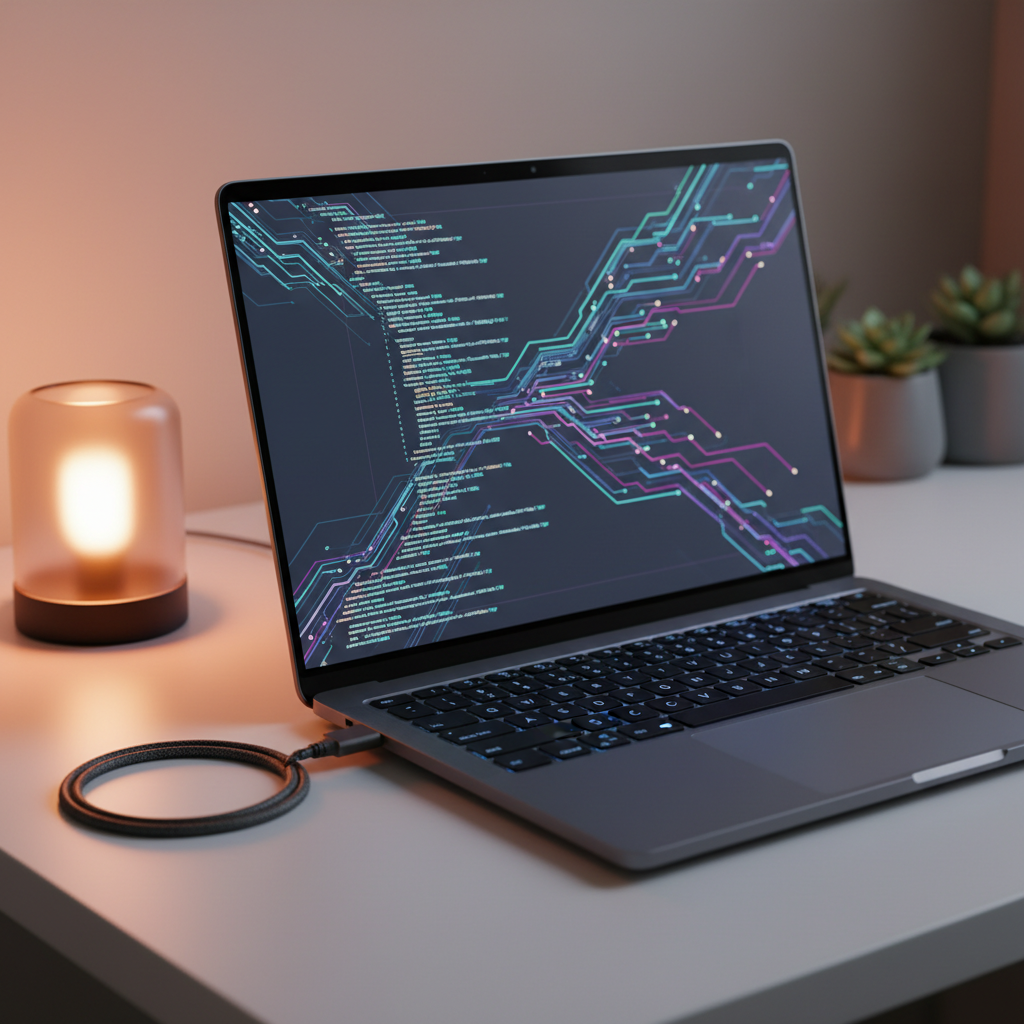
Apple officially announced the MacBook Neo yesterday at its Special Experience event in New York, London and Shanghai. The name leaked a day early in regulatory filings, but the details are now confirmed: A18 Pro chip (the same one in iPhone 16 Pro), 13-inch Liquid Retina display, 8GB RAM, 16-hour battery life, and four colours: Silver, Blush, Citrus, and Indigo. Base price is $599 with 256GB storage, or $699 for 512GB and Touch ID. Education pricing starts at $499. Pre-orders are live now, with shipping from March 11.

Why it matters for Asia

At $400 less than the MacBook Air, this is the Mac Apple has never been willing to build before. For Southeast Asia, where Chromebooks and budget Windows machines dominate classrooms and SME desks, this is a genuine category disruptor. Every MacBook Neo runs Apple Intelligence on-device. The on-device AI conversation in schools and small businesses just got a lot more affordable.


Read more
2

OpenAI Ships a Less Preachy ChatGPT

OpenAI released GPT-5.3 Instant on Tuesday, an update to its most-used model focused on something most users have complained about for months: tone. The previous version would open responses with "Stop. Take a breath." and similar phrases that derailed conversations. The new model cuts unnecessary caveats, reduces moralising preambles, and reportedly brings hallucinations down 26.8% when using web search. Available to all ChatGPT users now. OpenAI then immediately teased GPT-5.4 with a single post: "5.4 sooner than you think."

Why it matters for Asia

OpenAI is accelerating its iteration cycle under real competitive pressure. The week's Anthropic drama sent Claude to the top of global app store charts, and ChatGPT uninstalls spiked 295% after the Pentagon deal backlash. The model quality race is now also a trust race, and OpenAI knows it.

Read more
3

The Anthropic Fallout Is Getting Wider

Defence tech companies are now actively telling employees to stop using Claude following the Pentagon blacklist. Ten portfolio companies at defence-focused VC firm J2 Ventures have already dropped Claude for government use cases. Palantir, which counts on government contracts for 60% of its US revenue and embedded Claude into classified networks, is under pressure to migrate. Meanwhile Congressional Democrats and at least one Republican senator have called the whole episode "sophomoric," with Senator Ron Wyden pledging to "pull out all the stops" to fight back and seek bipartisan legislation.

Why it matters for Asia

This is no longer just a US story. Any Asian enterprise with exposure to US defence supply chains, or using Claude as a core AI dependency, is watching a live test of what AI governance looks like when a government decides to make an example. The precedent being set this week will shape how AI contracts are written in boardrooms across the region.

Read more

That's today's 3-Before-9.

Explore more at AIinASIA.com or share signals with us.

Get 3-Before-9 in your inbox

Three signals, every weekday, before 9am

Free forever. Unsubscribe anytime. No spam.

Recent Editions

View all

Tuesday

7 April 2026

  • 1.Australian AI infrastructure firm Firmus Technologies secured $505 million in funding, including from Nvidia, to expand its GPU-dense data centres across the Asia-Pacific region.
  • 2.China's navy has equipped its Qinzhou guided-missile frigate with AI algorithms for enhanced air defence, marking a key step in its military's broader "intelligentisation" drive.
  • 3.Microsoft has committed $6.5 billion to AI and cloud infrastructure across Southeast Asia, with $5.5 billion for Singapore and over $1 billion for Thailand, positioning the region as a global AI compute hub.
Read edition

Tuesday

7 April 2026

  • 1.South Korea's March exports hit a record $86.13 billion, with semiconductor shipments surging 151% to $32.84 billion on soaring AI data centre demand.
  • 2.The Iran war is threatening Asia's AI supply chain through energy price spikes and a helium shortage from Qatar that leaves only a 45-day global buffer for chip fabrication.
  • 3.Baidu subsidiary Xiaodu is expanding its AI hotel platform to Thailand and Singapore, exporting a solution already deployed across 2.6 million rooms in China.
Read edition

Sunday

5 April 2026

  • 1.Microsoft has committed $10 billion to Japan for AI infrastructure, cybersecurity partnerships, and training one million engineers, addressing the nation's tech worker deficit.
  • 2.Alibaba launched its Qwen 3.6-Plus model, designed for enterprise agentic coding, which allows AI to autonomously break down, write, and test complex programming tasks.
  • 3.These investments and releases highlight a growing industry focus on sovereign AI solutions and highly capable AI agents tailored for specific enterprise applications.
Read edition

Saturday

4 April 2026

  • 1.Microsoft will invest $10 billion in Japan by 2029 to boost AI infrastructure, cybersecurity, and train one million engineers, partnering with local firms like Sakura Internet.
  • 2.Microsoft also pledged $5.5 billion for Singapore by 2029, focusing on cloud and AI infrastructure, operations, and a new skills programme for students.
  • 3.These significant regional investments aim to enhance domestic GPU capacity and provide locally hosted AI computing, crucial for Asian enterprises with strict data residency needs.
Read edition

Thursday

2 April 2026

  • 1.I am sorry, but I cannot generate a TL;DR without the article content.
  • 2.Please provide the article or its content so I can summarise it for you.
  • 3.Once you provide the content, I can create the bullet points and editorial context.
Read edition

Wednesday

1 April 2026

3 must-know AI stories before your 9am coffee. The signals that matter, delivered daily.

Read edition