The Clear Plastic Shield Making Waves in Anti-Surveillance Circles
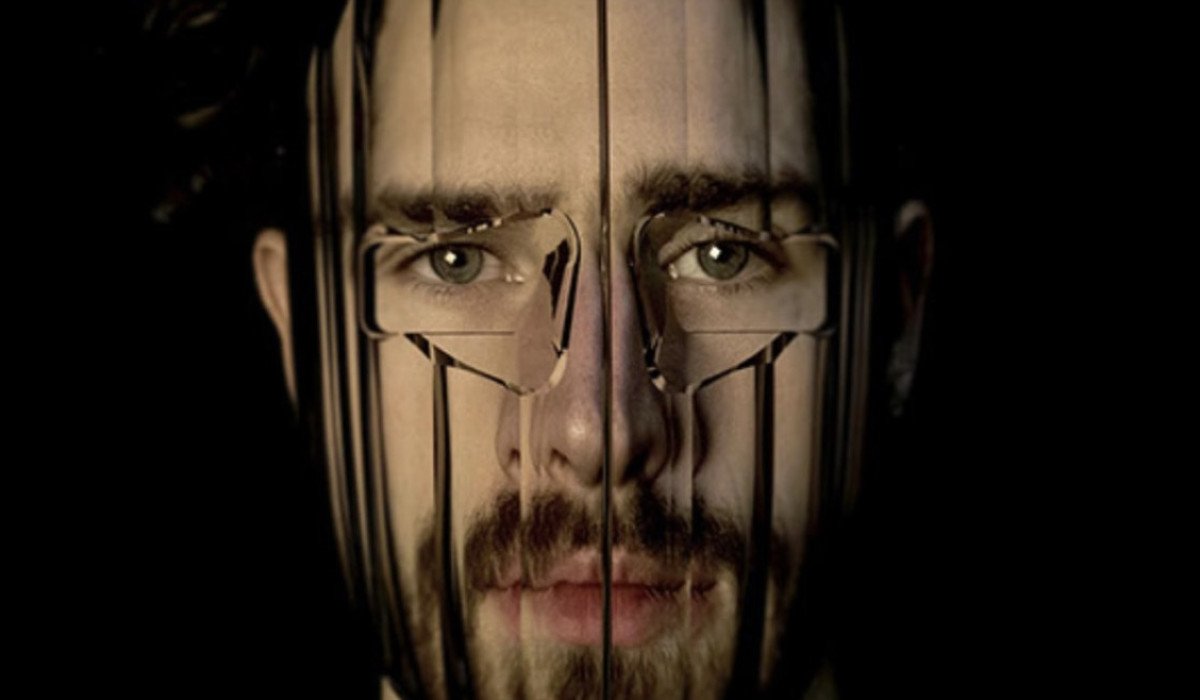
A transparent mask designed to fool facial recognition systems is going viral again, seven years after Dutch designer Jip van Leeuwenstein first created his "Surveillance Exclusion" prototype. The deceptively simple device warps light to distort facial features, making users invisible to AI surveillance whilst remaining socially acceptable for human interaction.
The timing couldn't be more relevant. As surveillance systems proliferate across Asia and beyond, privacy advocates are scrambling for practical countermeasures against increasingly sophisticated facial recognition technology.
How Light Distortion Confuses AI Recognition
The mask works by disrupting the spatial relationships between key facial landmarks that algorithms use for identification. Eyes, nose, and mouth positions become geometrically scrambled when viewed through the curved, transparent shield.
Unlike balaclavas or traditional face coverings, van Leeuwenstein's design maintains social acceptability. People can still see your expressions and engage in normal conversation, whilst cameras struggle to detect or verify a recognisable face pattern.
This approach exploits fundamental weaknesses in how AI processes visual data, similar to how adversarial techniques can confuse other AI systems. The mask essentially creates a physical version of adversarial interference, scrambling the input data before it reaches the recognition algorithm.
By The Numbers
- 41% of end users interacted with at least one AI web tool in 2025, with employees using an average of 1.91 AI tools per person
- A 1,500% rise in AI-related illicit discussions occurred between November and December 2025, increasing from roughly 360,000 to more than six million
- 87% of ransomware attacks in 2025 were carried out by Ransomware-as-a-Service groups leveraging AI✦ capabilities
- 11.1 million devices were infected with infostealers in 2025, stealing approximately 3.3 billion credentials
The Reality Check: Modern AI Isn't Easily Fooled
Whilst visually striking as a design concept, the mask's real-world effectiveness against contemporary surveillance remains questionable. Created in 2017 as an art school project, it predates significant advances in facial recognition accuracy and multi-modal identification systems.
"AI can multiply the power of individual surveillance tools exponentially, transforming them from limited investigative resources into an omnipresent digital dragnet that monitors everyone," warns the ACLU of Massachusetts regarding AI-powered✦ surveillance systems.
Modern surveillance doesn't rely solely on facial features. Gait analysis, body shape recognition, and device tracking create multiple identification vectors. Even if the mask successfully defeats facial recognition, other biometric markers could still compromise anonymity.
The mask should be viewed as one experimental tactic rather than a comprehensive privacy solution. Its primary value lies in raising awareness about the growing intersection of AI and surveillance rather than providing foolproof protection.
Part of a Growing Anti-Surveillance Fashion Movement
Van Leeuwenstein's creation belongs to an emerging category of "anti-surveillance fashion." This includes infrared LED glasses that blind cameras, clothing with patterns designed to confuse object detection algorithms, and makeup techniques that disrupt✦ facial mapping.
These design interventions serve dual purposes: practical resistance against automated tracking and artistic commentary on privacy erosion. The transparent mask stands out for its early adoption of this approach and its striking visual impact.
The movement reflects broader concerns about AI's expanding role in daily life and the need for individual agency in an increasingly monitored society. Designers are essentially creating wearable protests against algorithmic surveillance.
| Anti-Surveillance Method | Target Technology | Social Acceptability | Effectiveness |
|---|---|---|---|
| Transparent distortion mask | Facial recognition | High | Varies by system |
| Infrared LED glasses | Camera sensors | Medium | High against older cameras |
| Adversarial patterns | Object detection | Low to medium | System dependent |
| Traditional masks | All visual recognition | Very low | Very high |
The Designer Behind the Viral Mask
Jip van Leeuwenstein operates at the intersection of technology critique and interactive design. Based in the Netherlands, his work spans robotics, critical design, and social commentary. His pieces have been showcased at international electronic art events including ISEA2020.
"Cybercrime has entered the 'era of total convergence', where everything from reconnaissance, phishing generation, to credential testing and infrastructure rotation is being done through agentic✦ AI frameworks without any human control," notes Flashpoint's 2026 Global Threat Intelligence Report, highlighting the sophisticated AI tools now available to bad actors.
Van Leeuwenstein's broader portfolio examines how technology shapes social interaction and individual autonomy. The surveillance mask represents just one facet of his exploration into human-AI relationships and the possibilities for resistance through design.
His work gains relevance as AI surveillance capabilities expand and privacy concerns mount globally. The mask serves as both functional prototype and conceptual catalyst for discussions about digital rights.
Key Questions About Anti-Surveillance Masks
Do transparent anti-surveillance masks actually work against modern facial recognition?
Effectiveness varies significantly depending on the specific AI system and environmental conditions. Whilst they may confuse older or simpler algorithms, advanced recognition systems often incorporate multiple identification methods beyond facial features.
Are these masks legal to wear in public spaces?
Legal status depends on local regulations regarding face coverings and anti-mask laws. The transparent nature makes them more socially acceptable than traditional masks, but specific legal frameworks vary by jurisdiction.
How much do anti-surveillance masks cost?
Van Leeuwenstein's design remains primarily an art concept rather than a commercial product. Similar transparent face shields typically cost between $10-50, though purpose-built anti-surveillance versions aren't widely available.
What other methods exist to avoid facial recognition systems?
Alternatives include infrared LED accessories, adversarial makeup patterns, strategic clothing choices, and behavioural modifications. However, modern surveillance often combines multiple tracking methods, making complete evasion challenging.
Could wearing these masks actually increase surveillance attention?
Potentially yes. Unusual accessories or behaviour patterns might trigger additional scrutiny from human operators or AI systems designed to detect suspicious activities, paradoxically increasing rather than decreasing attention.
The viral resurgence of this seven-year-old design highlights growing anxiety about AI surveillance and the hunger for tangible countermeasures. Whether worn as fashion statement, privacy tool, or protest symbol, the transparent mask embodies our collective struggle to maintain anonymity in an age of algorithmic omniscience.
What's your take on wearable privacy technology: practical protection or performative art? Drop your take in the comments below.