
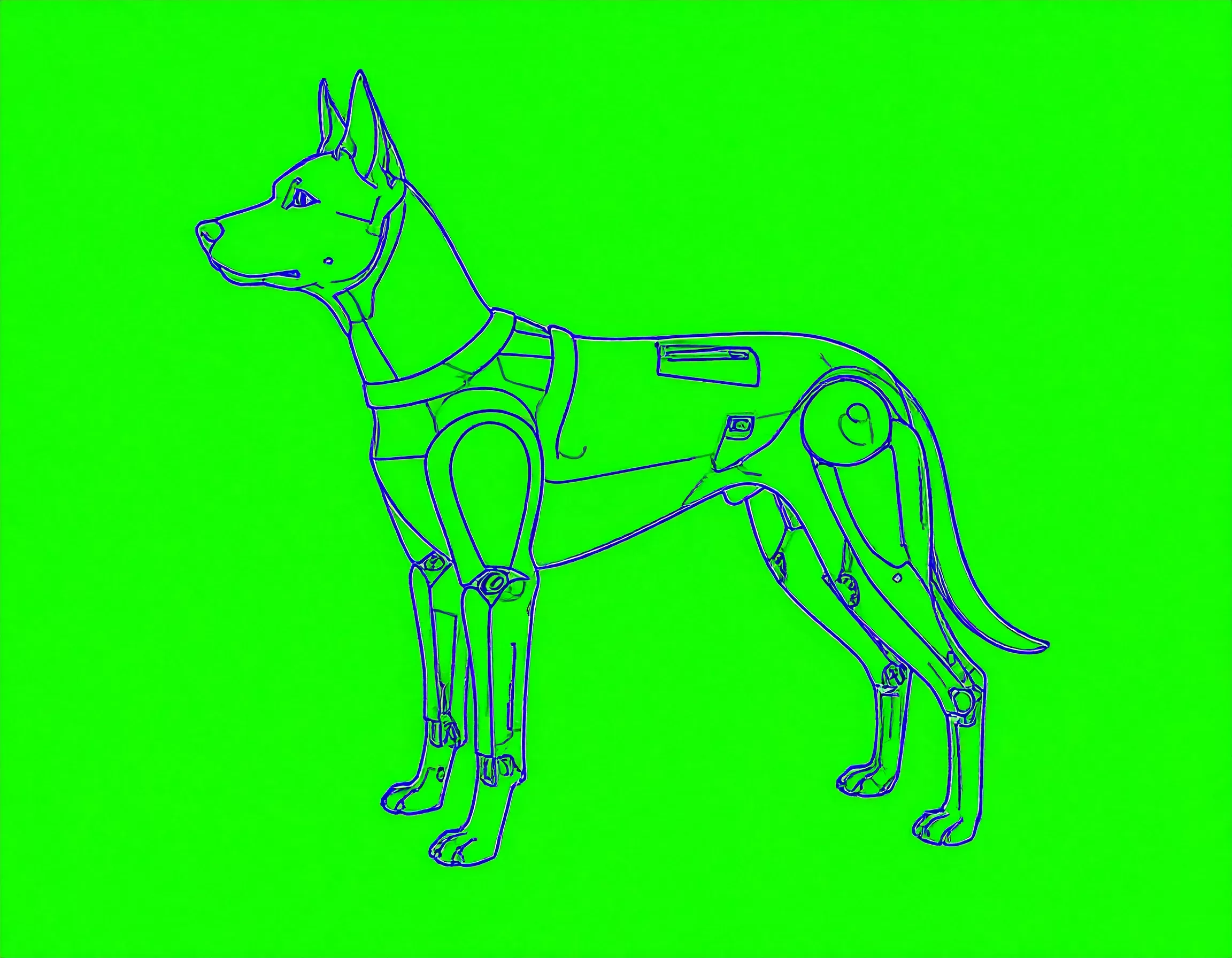
Title: How Adobe's AI Is Transforming 2D Animation Forever
Content: Adobe Animate and After Effects now integrate advanced AI features like Auto Lip-Sync, motion interpolation, and smart rigging, dramatically speeding up 2D animation workflows. AI is helping animators automate complex tasks like dialogue syncing, movement smoothing, and character rigging across different styles. This shift echoes broader trends in the industry, where AI is increasingly taking over repetitive tasks, as seen in discussions around AI agents and jobs. The future of 2D animation will be faster, more accessible, and creativity-driven — levelling the playing field for indie creators and studios alike. This accessibility also brings to mind how AI artists are topping the charts weekly in other creative fields.
The Revolution of 2D Animation: Adobe’s AI Breakthrough
Using AI to Optimise Animation Production
Smart Rigging: The Most Transformative Leap Yet
An Industry Poised for a New Era
What do YOU think?
If AI removes the technical barriers in animation, will artistic creativity finally be the only true differentiator between success and failure? This question is becoming increasingly relevant across various creative domains, from AI with empathy to the ethical considerations discussed by India's AI future ethics boards. Some argue that while AI can handle the mundane, human creativity remains paramount, a concept sometimes referred to as the "non-machine premium." For more insights into how AI is changing creative industries, you can explore reports like the one from the World Economic Forum on the Future of Jobs. Let us know in the comments below.

Latest Comments (3)
We're seeing similar challenges with LLM-powered tutors. You remove the rote memorization, but then the real test shifts to how well students can apply knowledge creatively, not just recall it. The "non-machine premium" definitely resonates.
Interesting to hear about the "non-machine premium" concept. From a DevOps angle, integrating these AI tools like Auto Lip-Sync into existing pipelines isn't trivial. It's not just about the feature, but how you scale it for a team, monitor performance, and manage the cloud costs for all that processing power. That's where the real work begins for us.
The article talks about AI making animation "faster, more accessible," which sounds great for indie creators. But are we really thinking about how these tools impact the _actual user experience_ for animators? If smart rigging removes skill barriers, does it also remove opportunities for expressing unique visual styles, or does it just flatten everything into a similar aesthetic?
Leave a Comment