
Install AIinASIA

Get quick access from your home screen

Install AIinASIA

Get quick access from your home screen

Back to Guides
learn
intermediate
ChatGPT
Claude
Gemini

Recovery Protocols and Injury Prevention with AI Guidance

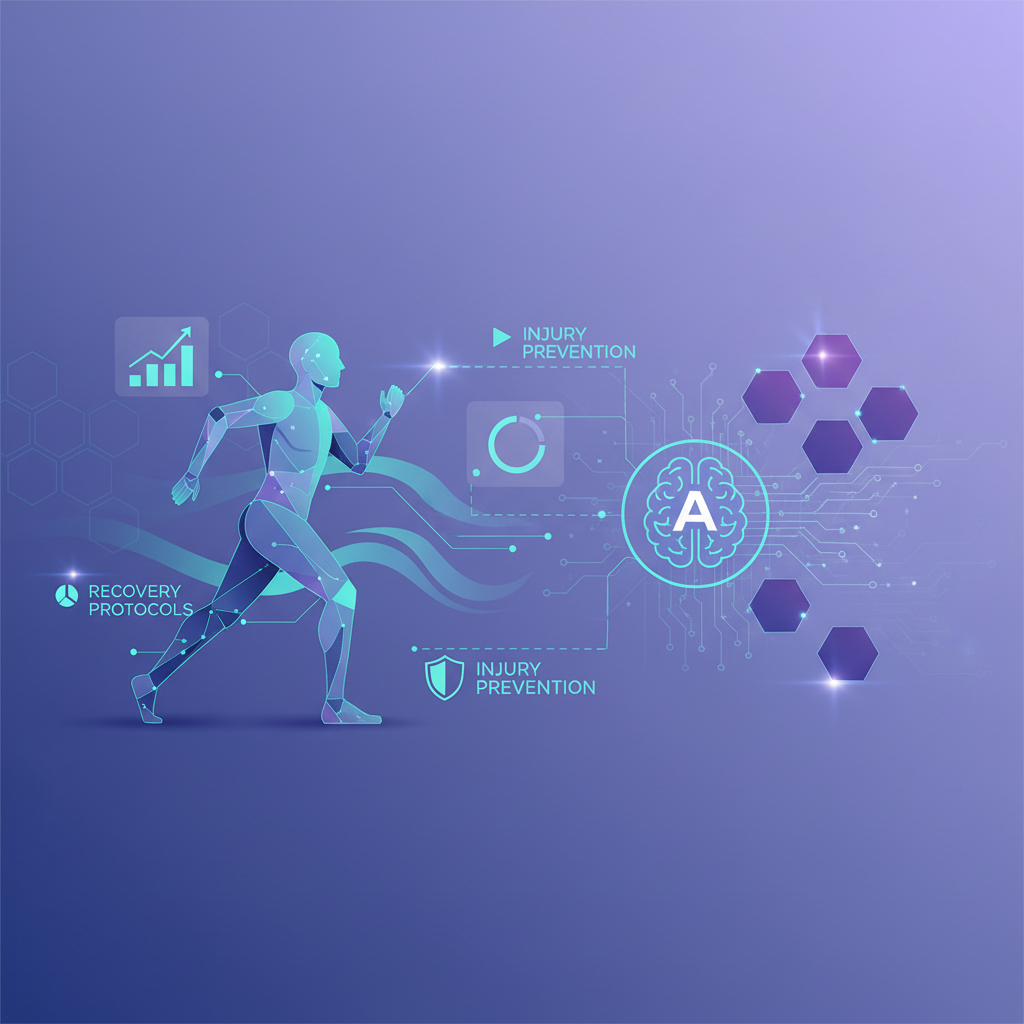
Learn how AI analyses your training data, sleep patterns, and movement quality to design personalised recovery strategies and prevent overuse injuries.
10 min read27 February 2026
injury
prevention
recovery
training
Recovery Protocols and Injury Prevention with AI Guidance

Schedule regular deload weeks every 4-6 weeks, viewing them as investment in long-term progress rather than wasted training time, as they prevent injuries that would sideline you entirely.

Incorporate mobility and flexibility work 3-4 times weekly, as maintaining joint range of motion and muscle elasticity prevents many common training injuries.

Don't increase training volume by more than 10% weekly, as rapid progression is a primary overuse injury driver; let AI monitor your progression pace.

Prioritise sleep as seriously as training—aim for 7-9 hours nightly, keeping a consistent sleep schedule even on weekends, with AI tracking sleep correlation to performance.

Include prehabilitation exercises targeting weak points in your movement chain; AI identifies these based on your training history and can recommend targeted prevention work.

Why This Matters

Sustainable fitness requires as much attention to recovery as to training itself. AI systems analyse numerous variables—training volume, intensity, sleep quality, nutrition, stress levels, and movement patterns—to identify injury risk factors before injuries develop. Rather than reacting to injuries, AI-powered recovery guidance helps you stay healthy whilst progressing your fitness. This proactive approach is particularly valuable in Asia where humid climates affect recovery and tight work schedules limit available training time.

How to Do It

1

Analysing Your Injury Risk Profile

AI systems identify individual injury risk factors by examining your training history, movement quality, and physiological responses. Rapid progression, inadequate recovery, muscle imbalances, and previous injury sites all increase injury likelihood. The AI models this data to provide an injury risk score and specific recommendations. For instance, if your data suggests increased knee injury risk, the AI incorporates prehabilitation work and adjusts training intensity. This preventive medicine approach keeps you training consistently.
2

Designing Active Recovery and Deload Weeks

Complete rest days aren't always optimal; strategic active recovery maintains movement quality whilst allowing nervous system recovery. AI designs active recovery days incorporating low-intensity movement, mobility work, and skill development. Deload weeks, where training volume reduces by 40-60%, occur every 4-6 weeks based on your accumulated training stress. The system identifies optimal deload timing by examining fatigue markers, preventing unnecessary breaks whilst ensuring recovery when needed.
3

Sleep Optimisation for Fitness Gains

Sleep is when muscle growth occurs and energy systems recover, making sleep quality crucial for fitness progress. AI integrates sleep tracking data with your training logs, identifying correlations between sleep quality and performance. If poor sleep precedes performance declines, the AI recommends sleep hygiene improvements or training adjustments. Some athletes need 9 hours sleep for adequate recovery whilst others thrive on 7 hours; AI identifies your personal requirement.
4

Nutrition and Supplementation Recommendations

Proper nutrition accelerates recovery, though excessive supplementation wastes money without added benefit. AI analyses your food intake, identifying deficiencies in micronutrients or macronutrients that slow recovery. It recommends evidence-based supplementation addressing actual deficiencies rather than expensive products with minimal evidence. Cost-effective recovery strategies, like timing carbohydrate and protein intake around training, are prioritised within your cultural food context and budget constraints.

Common Mistakes

Not following best practices

{'tip': 'Schedule regular deload weeks every 4-6 weeks, viewing them as investment in long-term progress rather than wasted training time, as they prevent injuries that would sideline you entirely.'}

Frequently Asked Questions

This varies individually, but exceeding your body's recovery capacity increases injury risk. AI monitors your accumulated training stress and signals when you're approaching dangerous levels, recommending deload periods to stay healthy.
Yes—many overuse injuries result from rapid progression, inadequate variety, or muscle imbalances. AI identifies these risk factors and recommends specific modifications reducing injury likelihood whilst maintaining progress.
Mild overtraining typically resolves within 1-2 weeks of reduced training. Severe overtraining may require 4-6 weeks of significantly reduced volume to restore nervous system function and hormone balance.

Next Steps

["Training-induced injuries undermine progress and delay your fitness journey. By proactively addressing recovery through AI-guided analysis of your training data, sleep patterns, and movement quality, you'll stay healthy and progress continuously. Embrace deload weeks, prioritise sleep, maintain adequate nutrition, and follow AI recommendations even when your ego wants to push harder. This balanced approach produces superior long-term results compared to constantly pursuing maximum intensity."]

Liked this? There's more.

Join our weekly newsletter for the latest AI news, tools, and insights from across Asia. Free, no spam, unsubscribe anytime.

No comments yet. Be the first to share your thoughts!

Leave a Comment

Your email will not be published